
Preform Inspection (PET Bottles)
Ensuring every preform meets strict quality and manufacturing standards
Ensuring product integrity through precision inspection
Advanced preform inspection for high-speed production environments
In PET bottle manufacturing, preform quality directly impacts the final bottle’s strength, clarity, and performance. Our vision-based preform inspection systems ensure that every preform is free from defects and meets precise dimensional and visual standards—minimizing rejection rates and improving downstream efficiency.
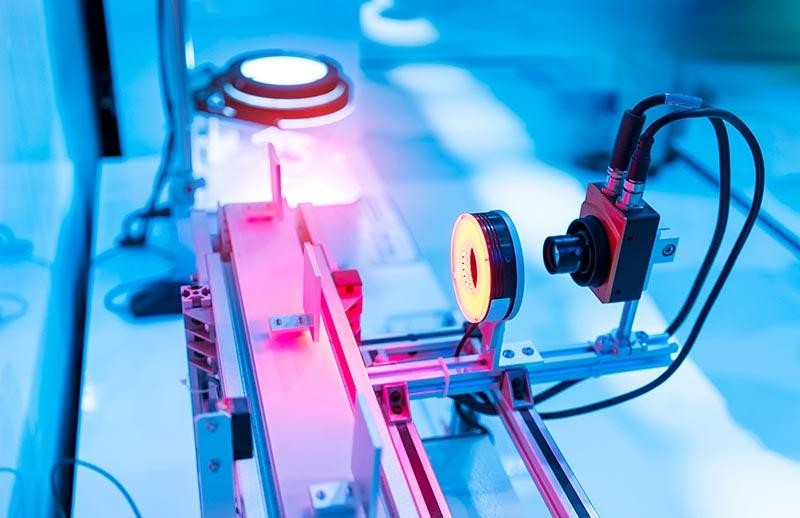
How the Preform Inspection System Works
Our preform inspection system performs comprehensive inspection of PET preforms before they enter the blowing process. It ensures that each preform meets required specifications for shape, finish, and material quality.
Using high-resolution cameras and advanced image processing algorithms, the system inspects preforms from multiple angles in real time. It detects both visual and structural defects that could affect bottle formation or performance.
The system performs high-precision inspection of:
- Neck finish and thread profile
- Gate quality and base integrity
- Body transparency and clarity
- Dimensional accuracy (length, diameter, wall thickness)
- Surface defects and contamination
It can detect defects such as:
- Black spots, bubbles, and foreign particles
- Short shots or incomplete molding
- Flash, cracks, and scratches
- Deformation or ovality
- Gate defects and whitening
- Color variations and haze issues
With real-time inspection and rejection mechanisms, defective preforms are automatically removed from the production line before entering the blowing process.
By integrating intelligent vision inspection, manufacturers can prevent downstream defects, reduce material wastage, and ensure consistent bottle quality.
Why Preform Inspection is Critical in Manufacturing
Preform inspection plays a vital role in ensuring final product quality, especially in industries like pharmaceuticals, beverages, and FMCG.
Defective preforms can lead to bottle failures, leakage, poor aesthetics, and production downtime.
Automated inspection ensures:
- Consistent Bottle Quality – Maintain uniformity in final products
- Reduced Rejection Rates – Eliminate defective preforms early
- Improved Production Efficiency – Avoid downstream disruptions
- Material Optimization – Reduce wastage and reprocessing
Ensure defect-free preforms and consistent bottle production with advanced inspection systems.
Limitations of Manual Inspection in Modern Industry
Human Limitations in Detection
Inconsistent Inspection Quality
Low Speed and Efficiency
The Benefits of Blister Pack Inspection System
Pharmaceutical and packaging industries demand high precision and strict adherence to quality standards.
Identify even microscopic defects with advanced vision systems.
Reduce rejection rates in downstream bottle blowing processes.
Ensure consistent clarity, strength, and finish of bottles.
Minimize material waste and rework.
Immediate detection and rejection of defective preforms.
Designed for continuous, high-volume production lines.
What do we provide?
As a trusted provider of machine vision and automation solutions, we deliver advanced preform inspection systems for PET bottle manufacturing
- Neck Finish Inspection – Verify threads, sealing surface, and dimensions
- Gate & Base Inspection – Detect defects at the injection point
- Sidewall Inspection – Identify bubbles, black spots, and scratches
- Transparency & Color Inspection – Ensure clarity and uniform color
- Dimensional Measurement – Validate length, diameter, and geometry
- Crack & Stress Detection – Identify structural weaknesses
- Foreign Particle Detection – Detect contamination inside preforms
- High-Speed Inline Inspection – Real-time inspection during production
- Rejection System Integration – Automatic removal of defective preforms
- Data Logging & Reporting – Maintain quality records and analytics
Frequently asked questions
What types of defects can the system detect?
The system detects visual and structural defects such as bubbles, black spots, cracks, deformation, and contamination.
Is the system suitable for high-speed production lines?
Yes, it is designed for real-time inline inspection without affecting production speed.
Can it inspect transparent and colored preforms?
Yes, it supports both clear and colored PET preforms with high accuracy.
Does it include an automatic rejection system?
Yes, defective preforms are automatically rejected during inspection.
Can the system provide inspection reports and data tracking?
Yes, it includes data logging, reporting, and integration with plant systems.