
Tyre Assembly Inspection System for Automated Error-Proofing
Machine Vision for Tyre Assembly Verification
During tyre manufacturing, different materials and components pass through a sequence of production and assembly operations. Each stage must meet specific requirements before the product can move forward. A missing part, incorrect component or positioning error can cause an assembly mismatch and lead to additional inspection or rework.
A tyre assembly inspection system uses machine vision to examine defined components and assembly features during production. It can be configured to confirm component presence, distinguish selected part types, check orientation and verify the quantity of items prepared for assembly.
By checking these requirements at designated production points, manufacturers can identify potential assembly errors before the next operation begins. Orchid Technology offers machine vision solutions that can be evaluated for tyre manufacturing inspection and automated verification applications.
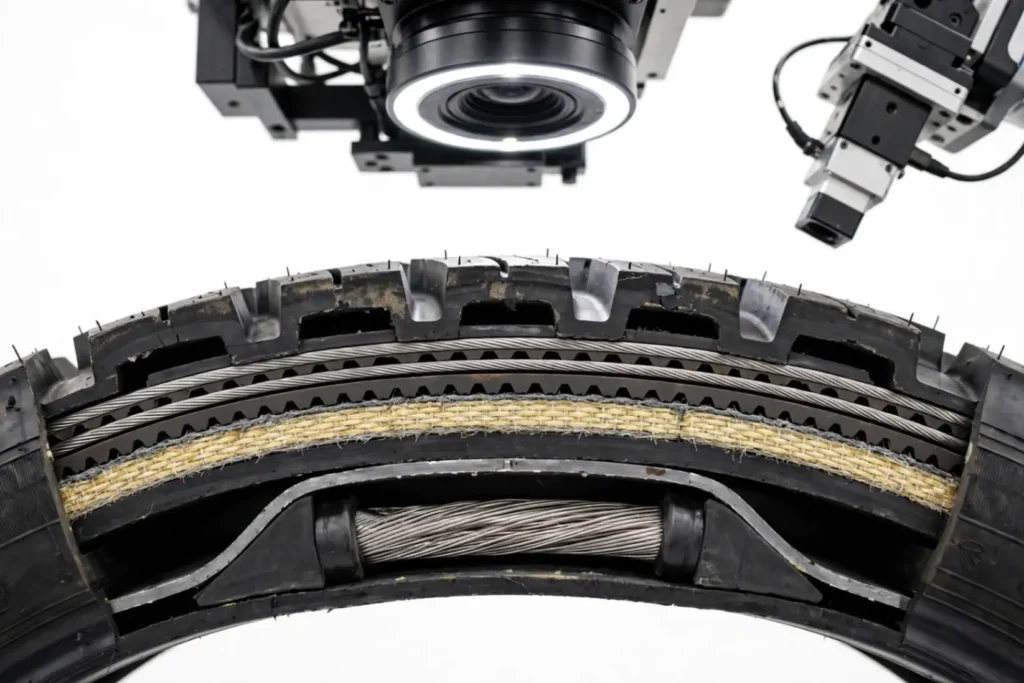
How Does Tyre Assembly Inspection Work?
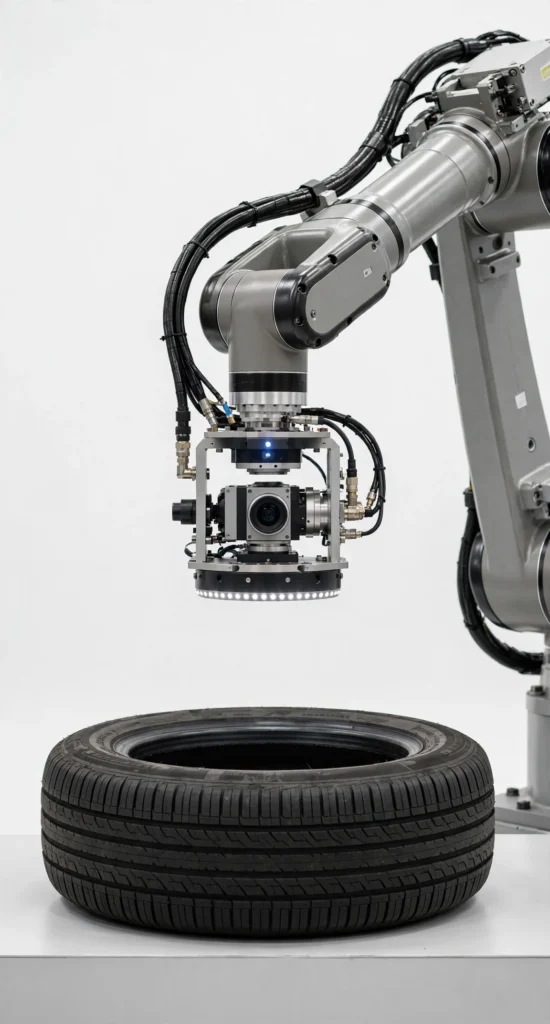
A machine vision-based assembly inspection begins when a tyre, rubber component or assembly reaches a defined inspection position. An industrial camera captures the relevant area so that the system can examine the features required for verification.
Image-processing software evaluates the captured image against inspection criteria established for the application. These criteria may include the presence of specified parts, visible differences between component types, expected orientation and the quantity of items in a prepared kit.
The inspection result is generated according to the configured acceptance rules. If a required component is not detected or a defined assembly condition is not satisfied, the system can flag the mismatch. Where compatible interfaces are available, the result can also be communicated to production equipment or a control system.
Why Automate Tyre Assembly Error-Proofing?
As tyre manufacturing involves repeated operations and different product configurations, checking every assembly requirement manually can place additional demands on operators. Machine vision provides a method of checking predefined conditions using consistent inspection rules.
- Component presence checks: Confirm that specified parts are detected at the inspection point.
- Part selection verification: Identify selected component types or variants using visible characteristics.
- Orientation checks: Evaluate component direction where the required features can be observed.
- Quantity verification: Compare the detected number of components with the specified quantity.
- Assembly mismatch alerts: Flag deviations covered by the configured inspection criteria.
- Repeatable inspection: Apply defined verification rules to applicable production cycles.
What Does a Tyre Assembly Inspection System Check?
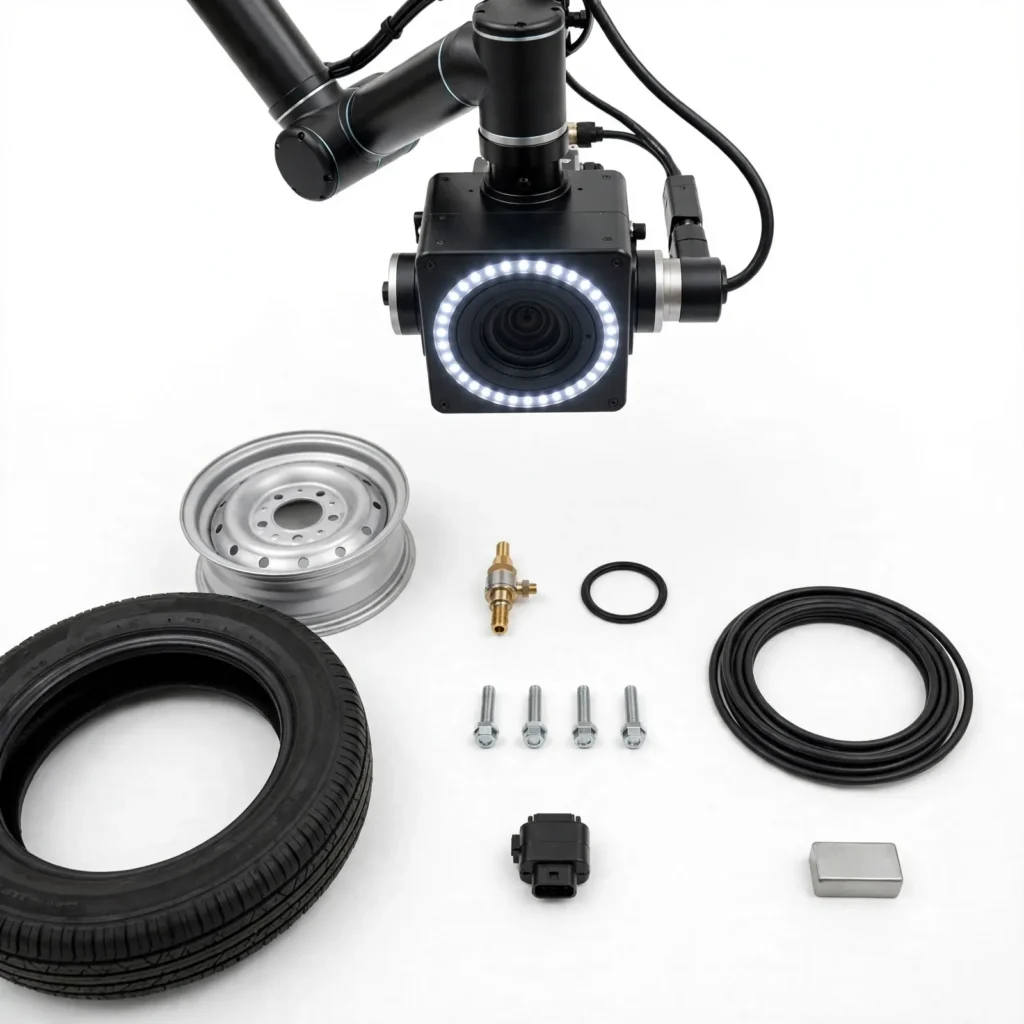
Component Presence Verification
Confirm Required Parts Before the Next Operation.
Tyre production and assembly processes may require particular components to be present at specific stages. If a required part is missing, the assembly may not meet the intended production specification.
A vision-based presence check examines the designated area and determines whether the expected component can be detected. The inspection can be configured around visible component features and the expected inspection location.
Depending on the application, checks may cover:
- Presence of predefined components
- Detection of absent parts
- Verification of designated assembly areas
- Confirmation of required component combinations
- Generation of configured inspection results

Correct Component and Part Verification
Identify Components That Match the Required Specification.
Similar-looking components may be used for different tyre products or assembly configurations. Selecting a part that does not match the intended requirement can create an assembly error.
Machine vision can compare visible component characteristics with predefined references. Where differences in shape, profile, dimensions or other visible features are sufficient, the system can help distinguish the required component from an incorrect type or variant.
The inspection may include component classification, part-type confirmation and detection of selected mismatches. Its feasibility depends on the differences between the parts and the imaging conditions.
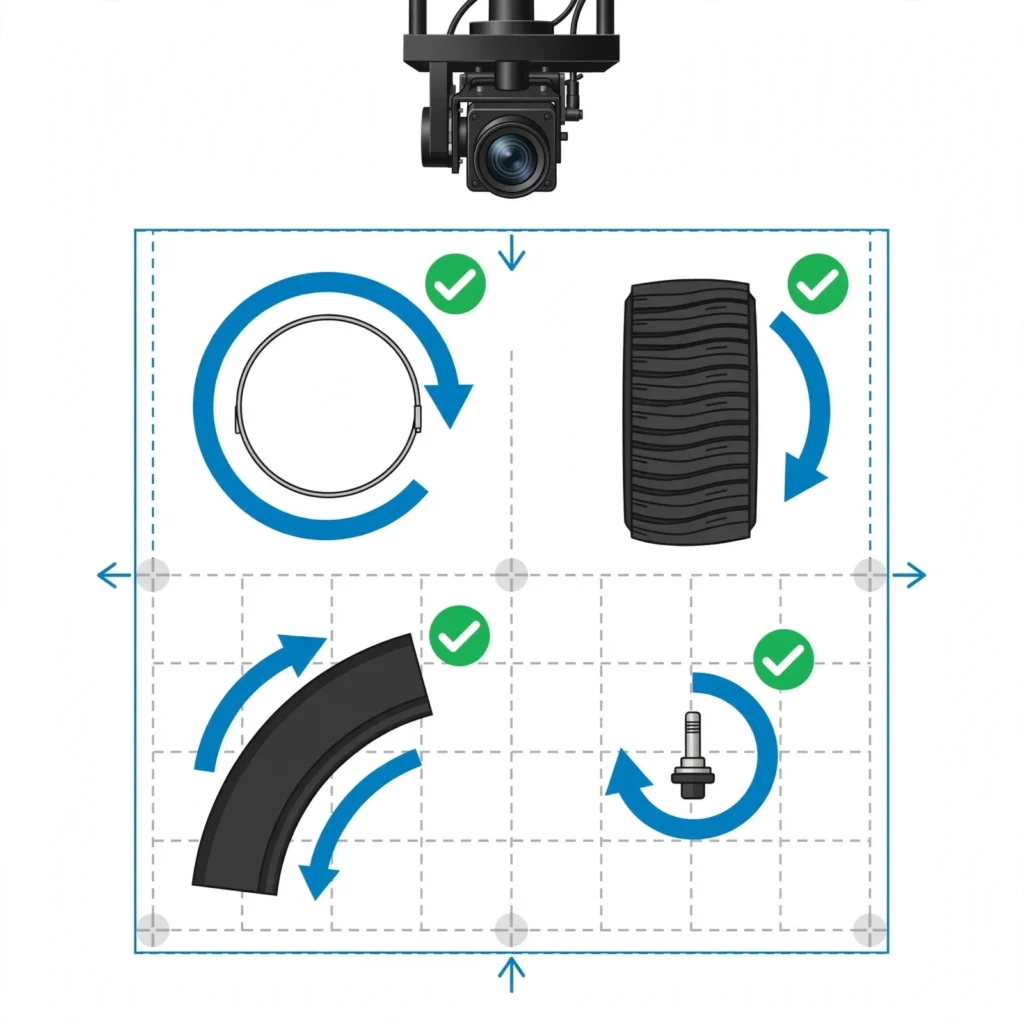
Component Orientation and Position Checks
Verify the Required Component Arrangement.
Some tyre manufacturing and assembly operations require components to follow a particular orientation or placement. A component positioned incorrectly may not meet the requirements of the next production stage.
A machine vision system examines the visible features of the component and compares its observed arrangement with configured reference criteria. Depending on the application, it can check selected orientation features or determine whether a component is within an expected inspection region.
Possible checks include:
- Verification of defined component orientation
- Assessment of component placement
- Detection of selected positioning deviations
- Comparison with reference locations
- Reporting of results against configured criteria
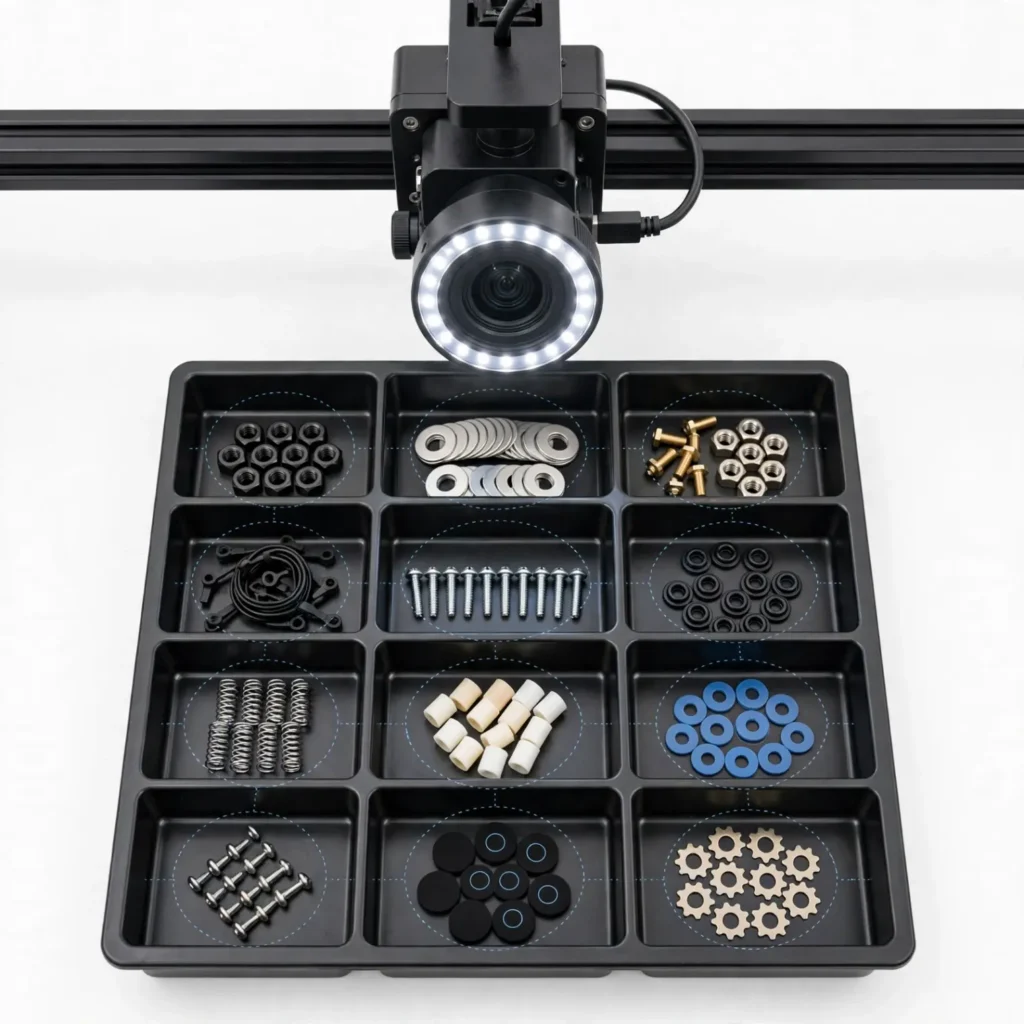
Kitting and Component Counting
Check the Contents of an Assembly Kit.
Before components reach an assembly station, they may be collected into kits containing specified parts and quantities. Missing items, extra components or incorrect quantities can disrupt the assembly process.
A machine vision counting application examines the prepared kit and counts the defined objects. Where component types can be distinguished visually, the system may also check whether the expected categories are represented in the required quantities.
Typical checks include:
- Counting selected assembly components
- Comparing quantities with kit requirements
- Checking for missing items
- Flagging additional components
- Verifying predefined kit contents
Counting performance depends on component visibility, spacing, overlap and the ability to distinguish individual items.
Assembly Error and Mismatch Detection
Identify Deviations from Defined Assembly Requirements.
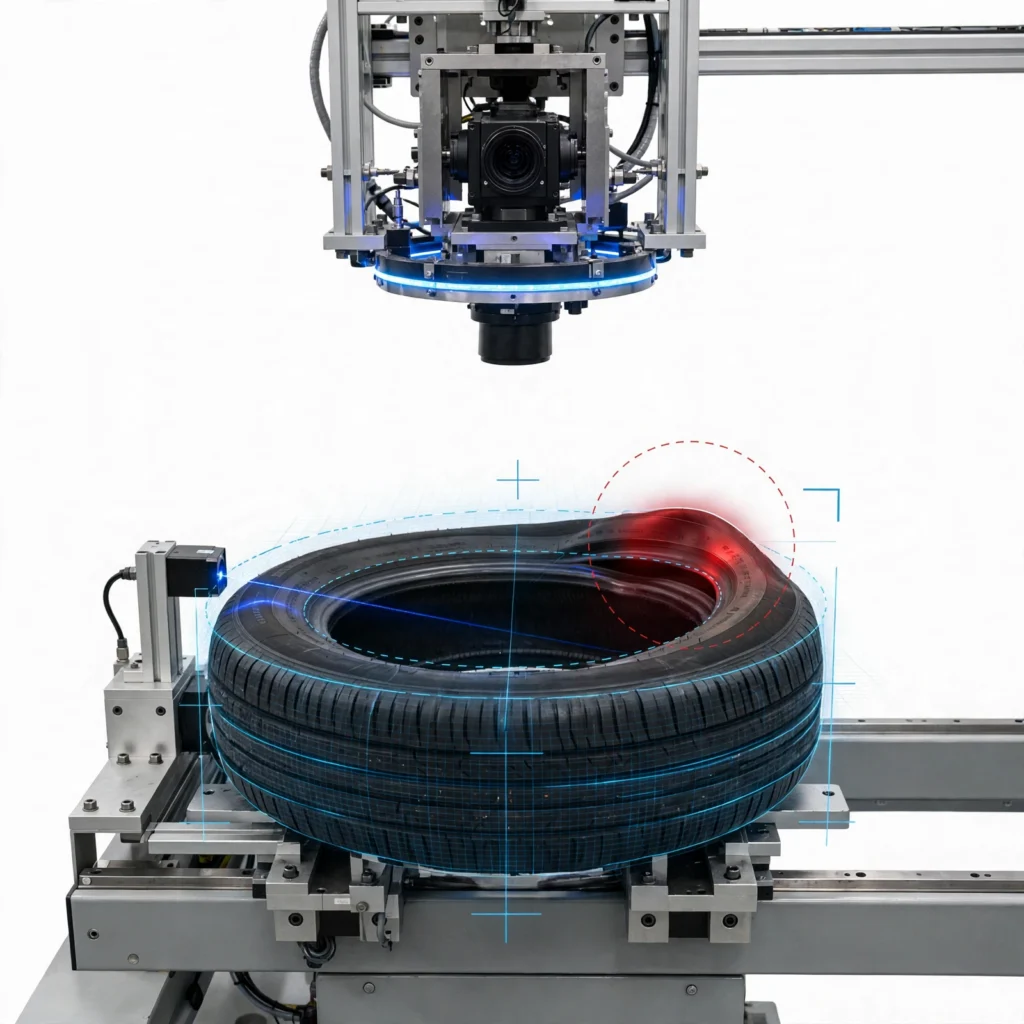
An assembly error may involve an absent component, an incorrect part, an unacceptable orientation or a quantity that differs from the specification. Machine vision can combine suitable inspection functions to check these conditions at a selected production checkpoint.
The system evaluates the captured image using the configured inspection logic and generates a result when an acceptance condition is not met. This helps manufacturers identify specified assembly deviations before the product moves to a subsequent operation.
The inspection criteria should be developed around the actual tyre assembly process and the visual features available for detection.
Need Machine Vision for Tyre Assembly Error-Proofing?
Verify component presence, correct part selection, orientation, placement and kit quantities with an inspection approach designed around your tyre manufacturing process.
Share your assembly requirements, component samples and production-line conditions with Orchid Technology to discuss the feasibility of a suitable machine vision solution.
How Does Machine Vision Enable Tyre Assembly Error-Proofing?
1.
Image Capture
2.
Inspection Area Recognition
3.
Component Presence Assessment
4.
Part-Type Verification
5.
Orientation and Placement Analysis
6.
Counting and Kit Assessment
7.
Inspection Decision
8.
Production Result Communication
Key Capabilities of a Tyre Assembly Inspection System
The inspection functions can be selected according to the components involved, the required verification tasks and the production environment.
| Capability | Application |
|---|---|
| Component presence inspection | Checks for specified parts at defined assembly stages. |
| Part-type verification | Distinguishes selected components using visible features. |
| Component orientation checks | Evaluates defined orientation requirements. |
| Position inspection | Checks placement against configured references. |
| Component counting | Calculates quantities of detected objects. |
| Kit verification | Compares detected kit contents with specified requirements. |
| Missing-part detection | Flags required components that are not detected. |
| Quantity mismatch detection | Identifies counts that differ from the configured quantity. |
| Assembly result generation | Produces inspection outcomes based on defined acceptance rules. |
| Automation connectivity | Communicates results through compatible interfaces where supported. |
Applications of Tyre Assembly Inspection Systems
Typical applications include:
Tyre component presence: Check for specified components at designated manufacturing stages.
Component selection verification: Confirm that the required component type is being used.
Assembly orientation inspection: Check visible orientation features against defined requirements.
Component position checking: Evaluate selected placement conditions.
Assembly kit preparation: Verify the presence and quantity of required items.
Component quantity inspection: Count defined parts before they are supplied to an assembly station.
Incomplete assembly detection: Flag missing components covered by the inspection configuration.
Production checkpoint verification: Check selected assembly conditions before the next operation.
Benefits of Automated Tyre Assembly Inspection
Consistent Component Verification
Apply predefined inspection criteria to required components at selected production stages.
Detection of Missing Parts
Identify components that are not detected where the inspection setup supports reliable presence checking.
Correct-Part Checking
Help distinguish selected component types and identify mismatches against configured requirements.
Orientation and Placement Assessment
Check specified visual features related to component arrangement and position.
Automated Quantity Checks
Compare detected component counts with defined quantities for assembly or kit preparation.
Reduced Repetitive Visual Checking
Limit the need for manual checking for the inspection tasks covered by the machine vision application.
Earlier Identification of Assembly Deviations
Flag configured mismatches before the product reaches the next production stage.
Repeatable Inspection Decisions
Use consistent programmed criteria across applicable inspection cycles.
Production-System Connectivity
Make inspection outcomes available to compatible equipment or production systems where required.
Actual inspection performance depends on the application, visible component features and the conditions under which images are captured.
Tyre Assembly Inspection Solutions with Orchid Technology
Orchid Technology works with industrial machine vision and automation applications that can be evaluated for tyre manufacturing requirements. A tyre assembly inspection project may involve one or more checks for component presence, part type, orientation, placement or kit quantity.
Application planning can include:
- Understanding the tyre assembly sequence and inspection objective
- Reviewing representative component samples
- Identifying visible features suitable for inspection
- Defining the required acceptance and rejection criteria
- Evaluating camera, lens and lighting arrangements
- Determining whether counting or part differentiation is feasible
- Reviewing communication requirements for existing equipment
The final system configuration depends on the product design, component characteristics, available installation space, production speed and required inspection performance. A review of representative samples and operating conditions helps establish which checks are appropriate for the application.
Frequently asked questions
What is a tyre assembly inspection system?
How does machine vision help prevent tyre assembly errors?
Can machine vision detect missing components?
Can it verify the correct component type?
Can the system check component orientation?
What is assembly kitting verification?
Can machine vision count tyre assembly components?
Tyre lot identification involves reading a batch or lot reference associated with a tyre. The captured identifier can help link the product to production information when corresponding records are available.