
Tread Inspection System for Tyres
Ensuring accurate tread pattern verification
A tread inspection system is an automated inspection solution used to examine the tread area of a tyre for defined visual characteristics. It uses automated visual inspection to evaluate tyre tread patterns against defined quality criteria, including pattern identification, tread variant verification and specified visible defect detection.
Using machine vision solutions, manufacturers can inspect tread characteristics consistently and support inline quality control while reducing repetitive manual inspection.
Orchid Technology helps manufacturers evaluate their requirements and identify suitable machine vision and industrial automation technologies for tyre tread inspection applications.
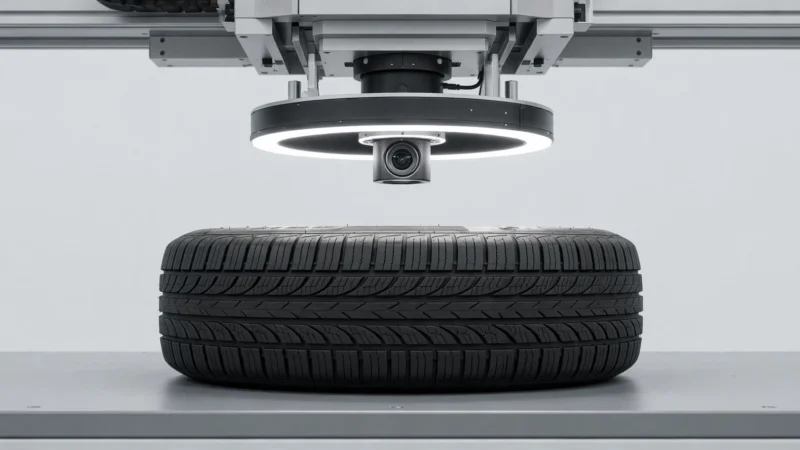
How Does Tyre Tread Inspection Work?
An automated tyre tread inspection process generally combines controlled image acquisition with machine vision-based analysis. The inspection sequence can be structured around the following stages.
An automated tyre tread inspection process uses controlled image acquisition and machine vision-based analysis to evaluate the tread against defined inspection criteria. The tyre is positioned consistently so the required tread area can be captured under repeatable inspection conditions.
The inspection system captures images of the tread using an appropriate imaging setup based on the tread geometry, inspection area, production environment and required visual information. The captured images are then analysed to identify relevant tread patterns and characteristics.
The identified pattern can be compared with the expected pattern or variant to support tread pattern identification and tread variant verification. Where required, the system can also analyse the tread image for specified visible defects or deviations.
The inspection result is evaluated against the configured criteria and can be used for a pass/fail decision and downstream production-line response. The exact inspection method and integration depend on the specific tyre manufacturing application and inspection requirements.
Why Automate Tyre Tread Inspection?
Automated tyre tread inspection helps manufacturers maintain consistent visual quality checks.
Machine vision reduces variation in manual inspection by providing structured, repeatable visual evaluation.
It can support:
- Consistent inspection
- Pattern verification
- Product variant checking
- Detection of visual defects
- Inline quality control
Automation complements manual inspection by providing reliable visual verification where suitable.
What Does the Tyre Tread Inspection System Check?
A machine vision system can be configured to inspect multiple sidewall elements within a single inspection process. Key inspection applications include:
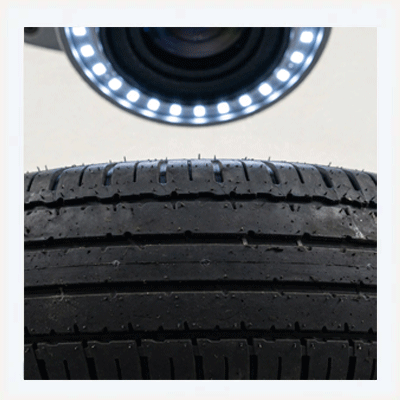
Tread Pattern Identification and Verification
A machine vision-based inspection system can support tread pattern identification by analysing visual information from the tread surface.
Once the relevant pattern has been identified, the inspection process can perform tread pattern verification against the required inspection criteria.
This approach can be useful where manufacturers need to distinguish between different tread configurations and verify that the intended pattern is present.
The inspection criteria should be defined according to the specific tyre designs, product variants and quality requirements being inspected.
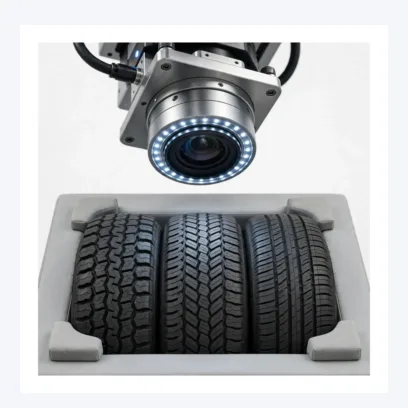
Tread Variant Verification
Tread variant verification checks whether the tread configuration detected during inspection corresponds to the expected product variant.
This can be particularly relevant in production environments where different tyre models, tread designs or variants may be processed. An automated verification process can support:
- Correct pattern identification
- Expected variant verification
- Product-specific inspection criteria
- Detection of an unexpected tread configuration
- Inline quality-control decisions
The purpose is not simply to identify a tread pattern, but to verify that the detected configuration is appropriate for the product being inspected. This type of product verification can complement tyre sidewall inspection, where tyre markings and identification information are also verified.
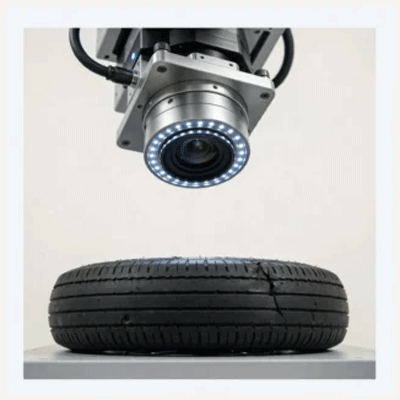
Tyre Tread Defect Detection
Tyre tread defect detection uses machine vision-based visual inspection to identify specified deviations or defects within the inspected tread area. The system captures tread images and analyses visual characteristics against defined inspection criteria to support consistent defect detection.
Where the application requires major tread pattern defect detection, the vision system can be configured according to the specified inspection requirements. The actual defects that can be detected depend on factors such as:
- Defect characteristics
- Defect size and appearance
- Tread geometry
- Image quality
- Lighting conditions
- Inspection criteria
- Required inspection coverage
Therefore, the tread inspection system should be evaluated based on the actual tyre type, production conditions and required defect types rather than assuming that one vision system can detect every possible tyre defect.
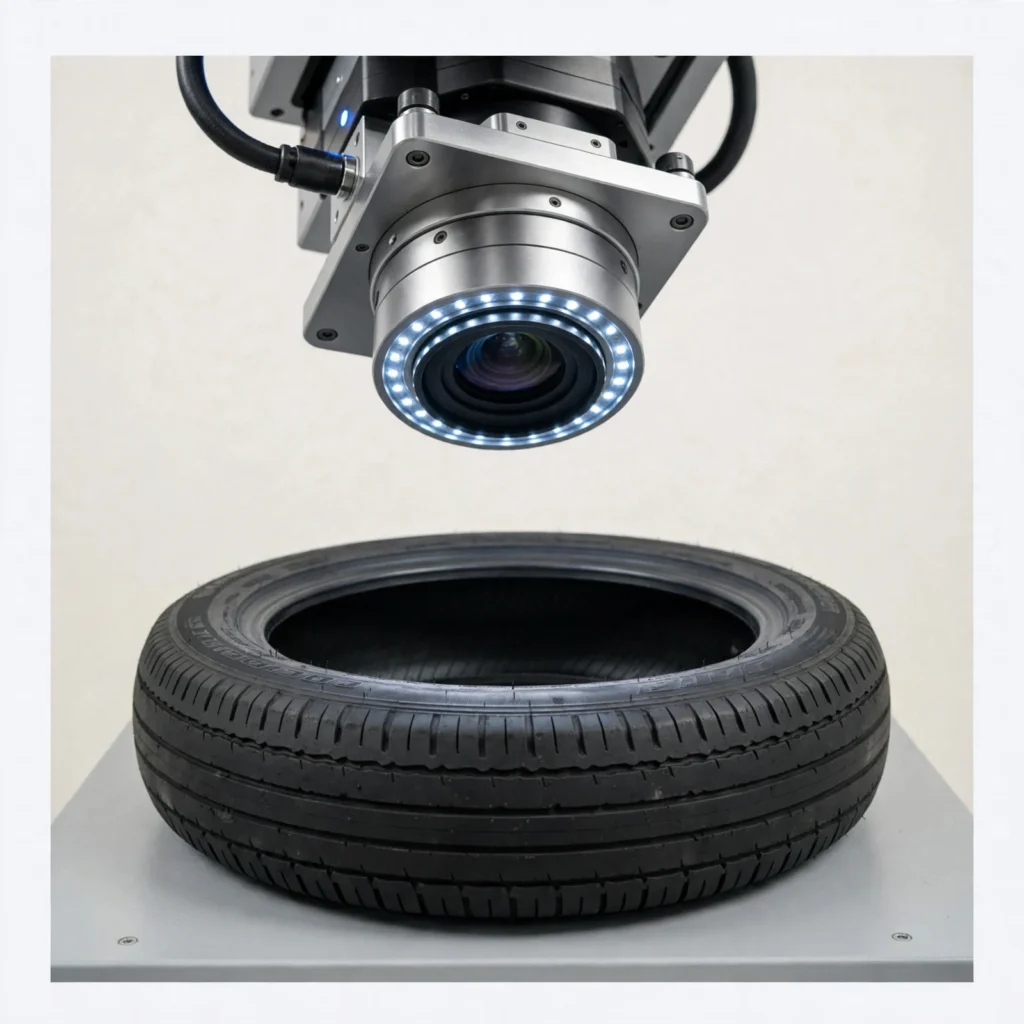
Machine Vision Tyre Inspection
Machine vision tyre inspection uses cameras, imaging and analysis technologies to evaluate visual characteristics of tyres automatically.
For tread applications, machine vision can support:
- Image acquisition
- Tread pattern analysis
- Pattern comparison
- Variant verification
- Visual defect detection
- Inspection consistency
- Inline quality control
Tyre vision inspection can be particularly useful for repetitive visual inspection tasks where consistent inspection criteria need to be applied across production.
However, machine vision should be selected according to the characteristics of the application. Factors such as tread geometry, surface appearance, inspection speed, required coverage and defect characteristics can influence the appropriate inspection approach.
Machine vision can also be applied to other tyre inspection requirements, including tyre sidewall inspection, marking verification, OCR/OCV and machine-readable code inspection.
Looking for the right solution for tread pattern inspection, product variant verification, or visual defect detection?
Whether it’s pattern inspection, variant verification, or visual defect detection, we can help you identify the right inspection approach.
From tread pattern verification to defect detection and variant inspection, Orchid Technology can help you identify the right vision solution for your production requirements.
Key Capabilities of an Automated Tread Inspection System
An automated tread inspection system can be designed around the specific inspection requirements of the tyre production process.
| Inspection Capability | Purpose |
|---|---|
| Tread pattern identification | Identify the tread pattern or configuration |
| Tread pattern verification | Verify the observed pattern against the expected pattern |
| Tread variant verification | Confirm the required tread variant |
| Visual defect detection | Identify specified visible tread deviations |
| Automated inspection | Provide repeatable inspection according to defined criteria |
| Inline quality control | Support inspection within the production process |
The actual capabilities available will depend on the selected inspection technology and the requirements of the application.
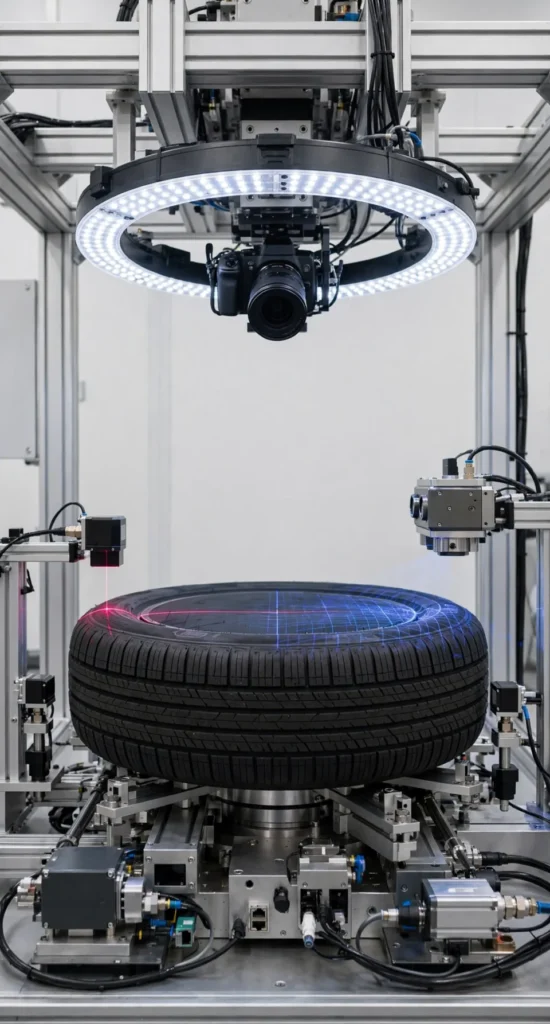
How to Choose the Right Tread Inspection System
1.
Tread Pattern Type
2.
Inspection Coverage
3.
Production Speed
4.
Product Variation
5.
Defect Characteristics
6.
Image Quality Requirements
7.
Machine Integration
8.
Production Environment
9.
Inspection Criteria
10.
Data & Reporting Requirements
11.
Future Product Variants
12.
Technical Support
Applications of Tread Inspection Systems
Typical applications include:
- Tyre tread pattern inspection
- Tread pattern identification
- Tread variant verification
- Automated tread inspection
- Visual tread defect detection
- Inline machine vision inspection
- Automated tyre quality inspection
- Product identification and verification
Tread Inspection Solutions with Orchid Technology
Orchid Technology is an authorised distributor and industrial automation solutions provider that helps manufacturers identify suitable technologies for their automation and inspection requirements.
For tread inspection applications, Orchid Technology can help customers evaluate their requirements and identify suitable machine vision and industrial automation technologies based on the application.
Our role can include:
- Understanding the inspection requirement
- Evaluating suitable technologies
- Product and technology selection
- Application support
- Integration support
- Technical support
Through established technology partnerships, Orchid Technology provides access to industrial automation and machine vision technologies that can be considered for applications such as automated tyre inspection, tread pattern verification and visual quality inspection.
The appropriate solution should always be selected according to the specific tread characteristics, inspection criteria, production environment and integration requirements.
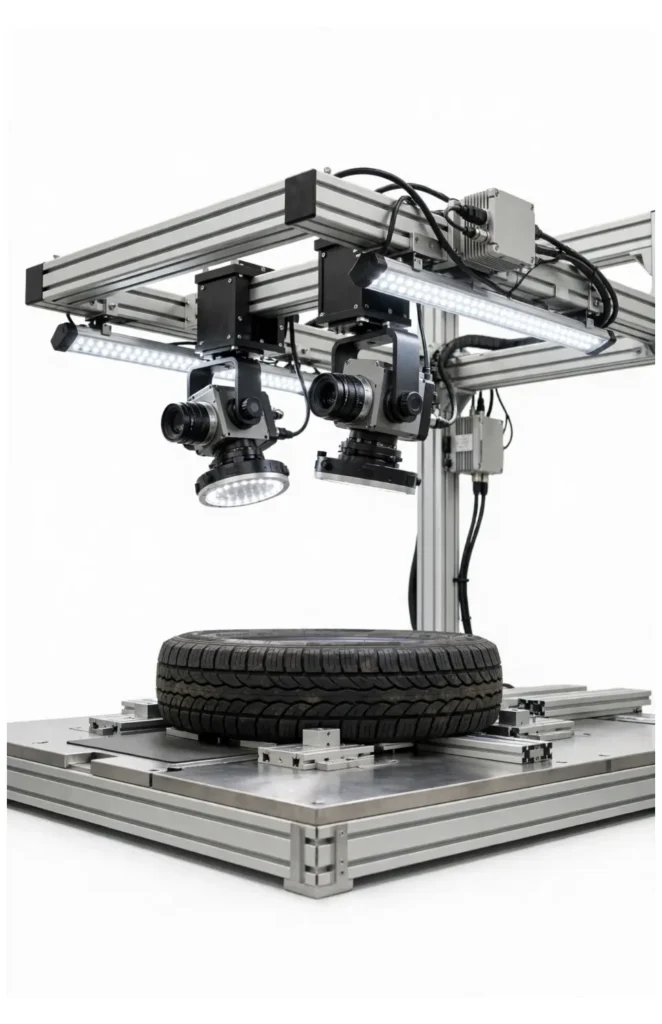
Frequently asked questions
What is a tread inspection system?
How does automated tyre tread inspection work?
What is tread pattern identification?
What is tread variant verification?
Can machine vision detect tyre tread defects?
What is automated tread inspection?
Why is tread pattern verification important?
What should manufacturers consider when selecting a tread inspection system?
Can tread inspection be integrated into a production line?
How can Orchid Technology support tread inspection applications?
Orchid Technology helps manufacturers understand their inspection requirements and identify suitable machine vision and industrial automation technologies. Support can include technology selection, application understanding, integration support and technical requirements.