
Automated Machine Vision Inspection for Tyre Sidewall Markings
Ensuring precise tyre sidewall inspection
Tyre sidewall inspection uses machine vision to verify critical sidewall markings before production continues, including OCR/OCV characters, DOT codes, tyre size, brand/model information, and Barcode/QR codes.
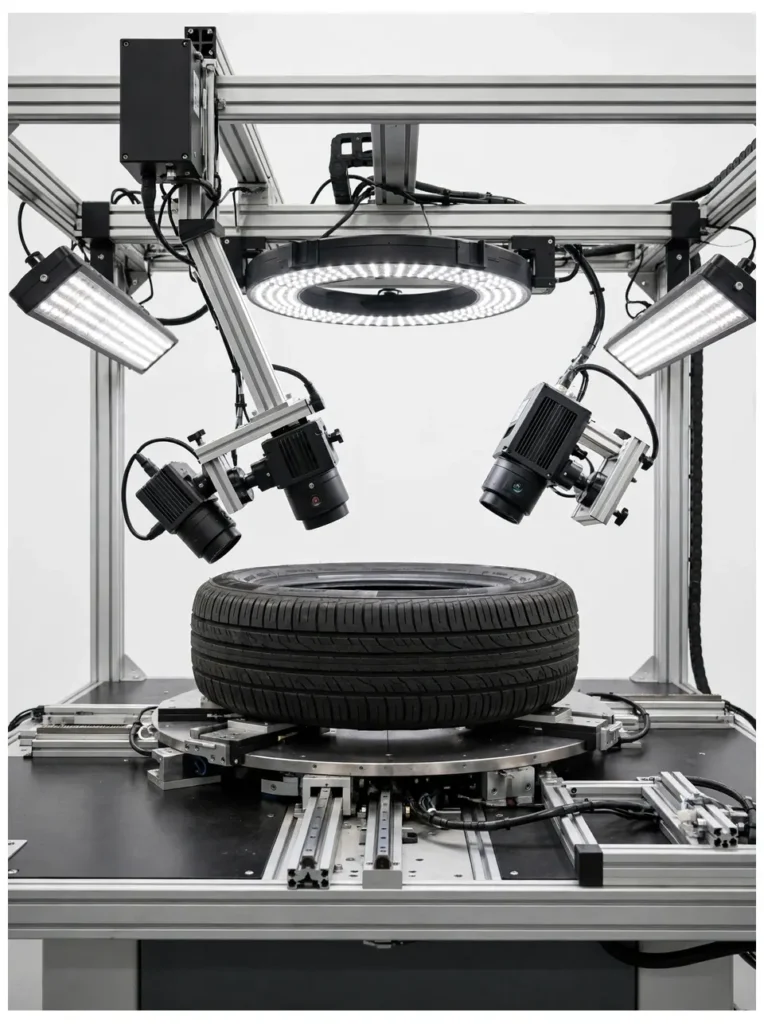
Industrial cameras capture the sidewall and process images to perform character recognition, code reading, presence checks, and visual verification for reliable quality inspection and product identification. Where camera-based inspection is required across different manufacturing applications, machine vision solutions provide the underlying inspection technologies for automated visual checking.
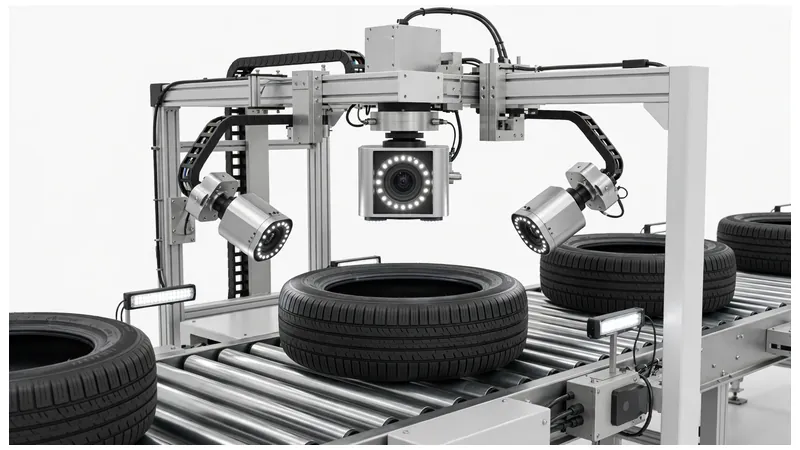
How the Tyre Sidewall Inspection System Works
Our Tyre Sidewall Inspection System uses advanced machine vision technology to automatically inspect the sidewall of tyres for printing, marking, identification and surface-quality defects. The system helps manufacturers verify that critical information and markings on every tyre are present, accurate, clearly visible and correctly positioned.
Using high-resolution cameras and intelligent image-processing algorithms, the system can inspect important sidewall details such as DOT codes, tyre size, brand markings, serial numbers, production codes, regulatory markings and other printed or embossed information. This enables manufacturers to identify inconsistencies and defects without relying solely on manual inspection.
The system can detect issues such as missing or incorrect markings, blurred or incomplete printing, poor contrast, misalignment, damaged characters and other sidewall identification defects in real time. Automated inspection helps ensure that tyres meet defined quality requirements before they move to the next stage of production.
By combining high-speed imaging, automated defect detection and reliable inspection processes, the system supports consistent quality control and traceability across tyre production lines. It can also help reduce manual inspection effort, minimize the risk of defective tyres reaching the next process and improve overall production efficiency.
Why Tyre Sidewall Inspection is Critical
Tyre sidewall markings are essential for identification, traceability, compliance and quality verification. Automated inspection helps detect missing, incorrect, blurred or misaligned markings and ensures critical information remains clear and readable.
The system can verify:
- Tyre size and specifications
- DOT and production codes
- Brand and model markings
- Serial and traceability information
- Print quality and alignment
By automating these checks, manufacturers can achieve consistent quality, improved traceability and fewer marking-related defects.
What Does Tyre Sidewall Inspection Check?
A machine vision system can be configured to inspect multiple sidewall elements within a single inspection process. Key inspection applications include:
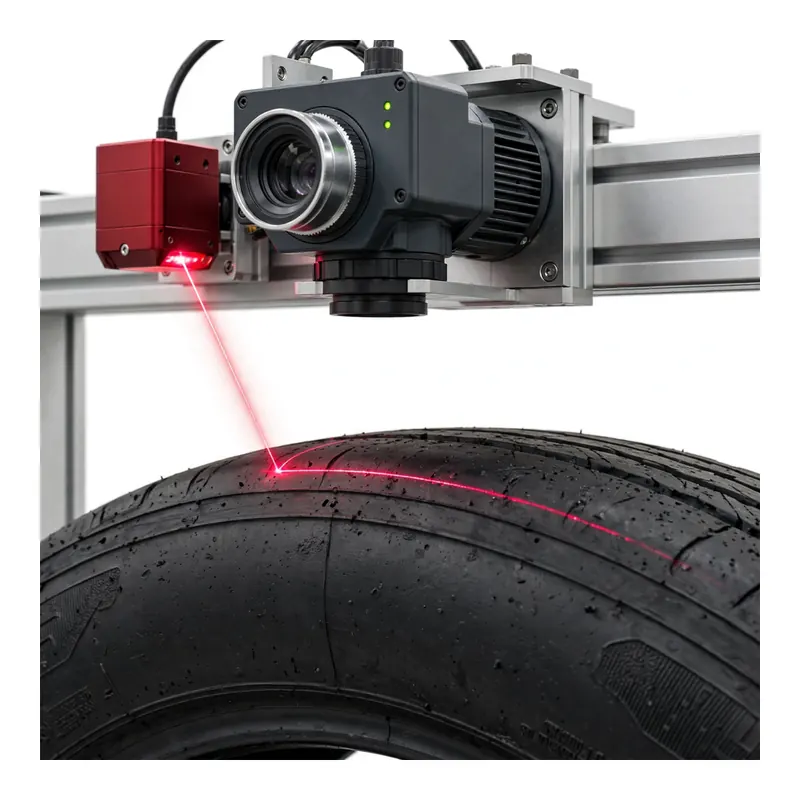
OCR / OCV Inspection
Read. Verify. Trace.
OCR/OCV inspection reads and verifies alphanumeric characters on the tyre sidewall. It can be used to check required markings and identify issues such as missing, incorrect or unreadable characters.
OCR focuses on reading the characters, while OCV can be used to verify characters against predefined information or expected marking patterns. This helps manufacturers automate the verification of critical sidewall information.
Typical checks include:
- Character presence
- Character readability
- Character sequence
- Expected text verification
- Missing or incomplete characters
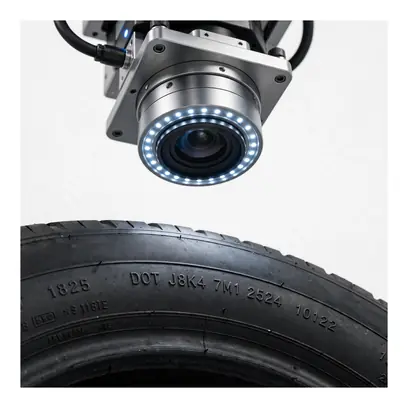
DOT Code Inspection
Verify Critical Tyre Identification.
The DOT code is an important identification marking on a tyre sidewall. Machine vision can locate and inspect the DOT marking and verify that the required code is present and readable.
Automated DOT code inspection can help manufacturers identify missing or unclear markings during production and support accurate product identification.
Inspection capabilities can include:
- DOT code presence detection
- Character reading
- Code verification
- Marking readability checks
- Automated pass/fail inspection
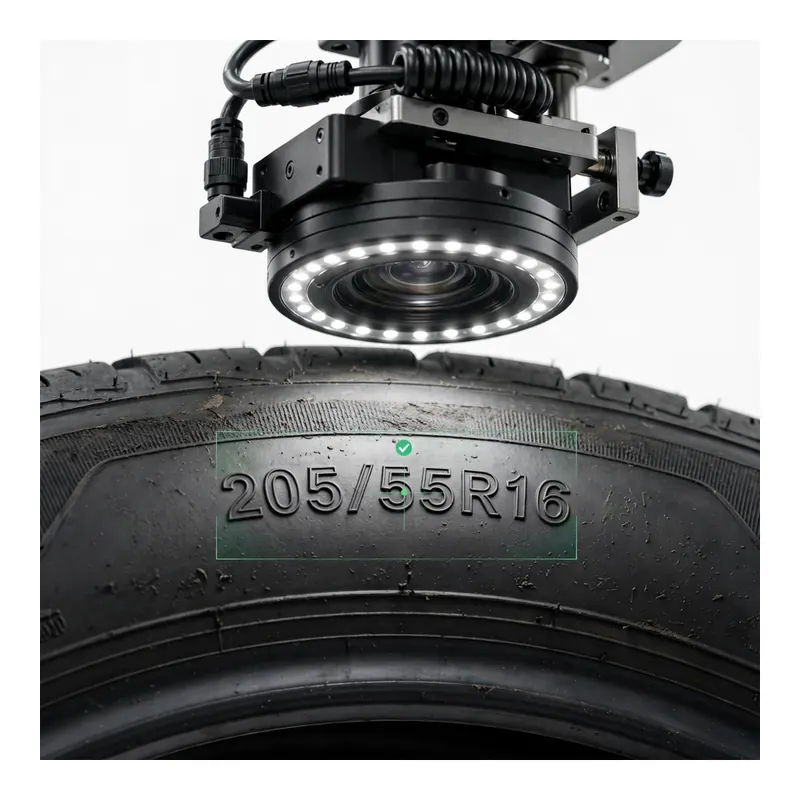
Tyre Size Marking Inspection
Check Size Markings with Precision.
Tyre size information is one of the key markings displayed on the sidewall. Tyre size marking inspection uses machine vision to locate and verify the required size information.
The system can be configured to check whether the expected marking is present and readable, helping identify incorrect, missing or poorly defined size markings during production.
Typical inspection checks include:
- Size marking presence
- Character recognition
- Expected size verification
- Missing character detection
- Marking readability
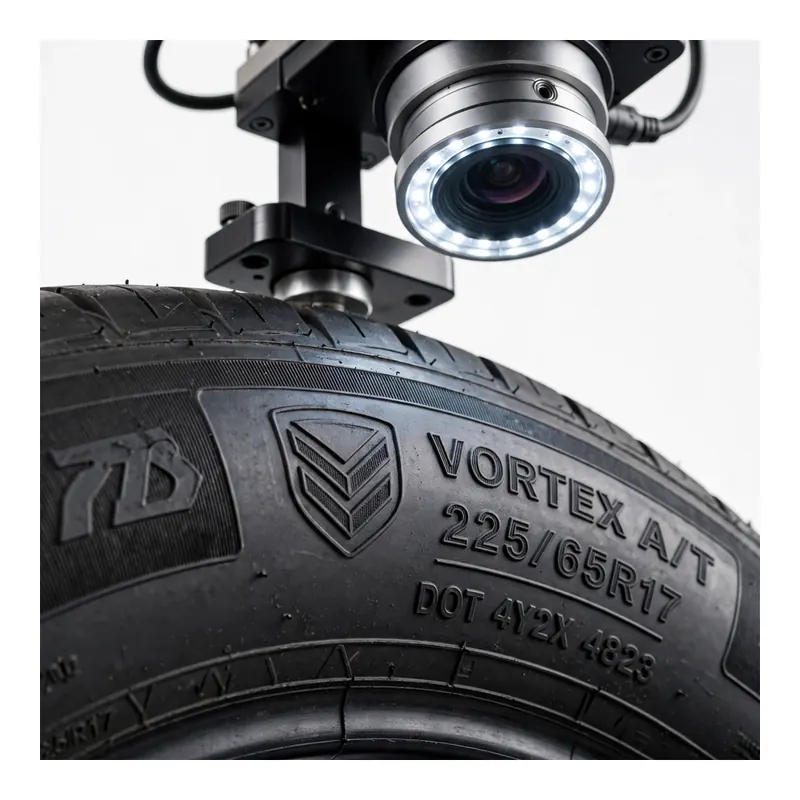
Brand / Model Marking Inspection
Validate Brand & Model Information.
Brand and model markings provide important product identification information. Brand/model marking inspection can verify that the required branding and model information is present at the designated inspection area.
Machine vision can compare the captured marking with predefined inspection criteria to identify incorrect, missing or unreadable information.
Key inspection points include:
- Brand marking presence
- Model marking verification
- Character recognition
- Marking position
- Readability checks
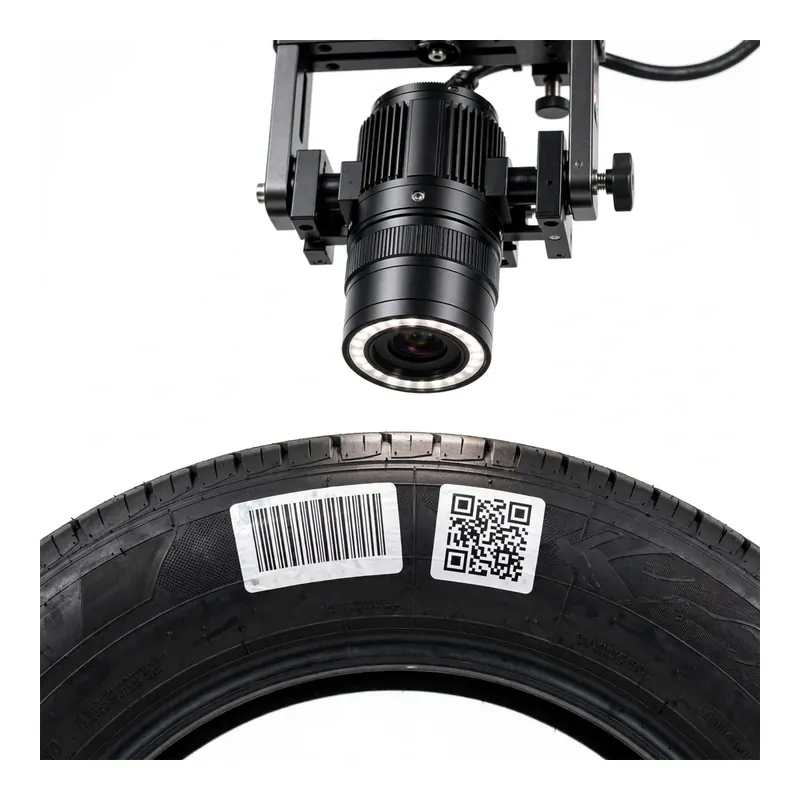
Barcode / QR Code Inspection
Read Codes. Verify Data. Enable Traceability.
Barcode and QR code inspection enables machine vision systems to detect and read machine-readable codes positioned on the tyre sidewall.
The system can decode the available information and verify the code against predefined production or product requirements. This can support automated identification and traceability across tyre manufacturing processes.
Typical checks include:
- Barcode detection
- QR code detection
- Code reading and decoding
- Data verification
- Code readability
- Pass/fail validation
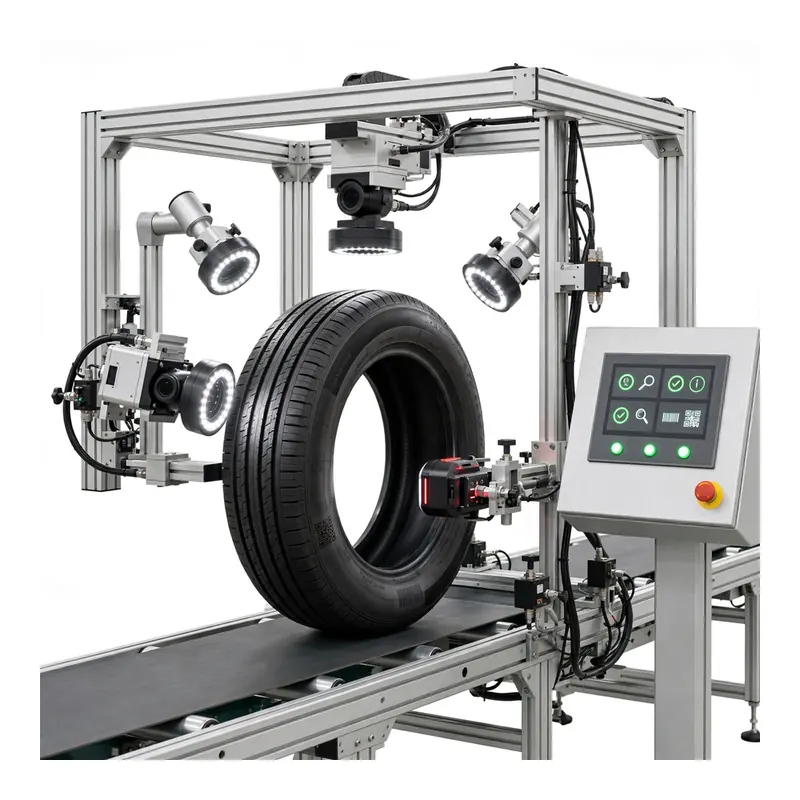
Automated Sidewall Inspection & Traceability
From Marking Inspection to Production Traceability.
Combining machine vision inspection with OCR/OCV and Barcode/QR reading allows multiple sidewall identification tasks to be performed within an automated inspection workflow.
The system can capture the tyre sidewall, inspect predefined marking areas, read available identification codes and generate inspection results based on the configured criteria.
This approach can support:
- Automated marking verification
- Product identification
- Code reading
- Data validation
- Pass/fail inspection
- Production traceability
- Identification of defective or incorrectly marked tyres
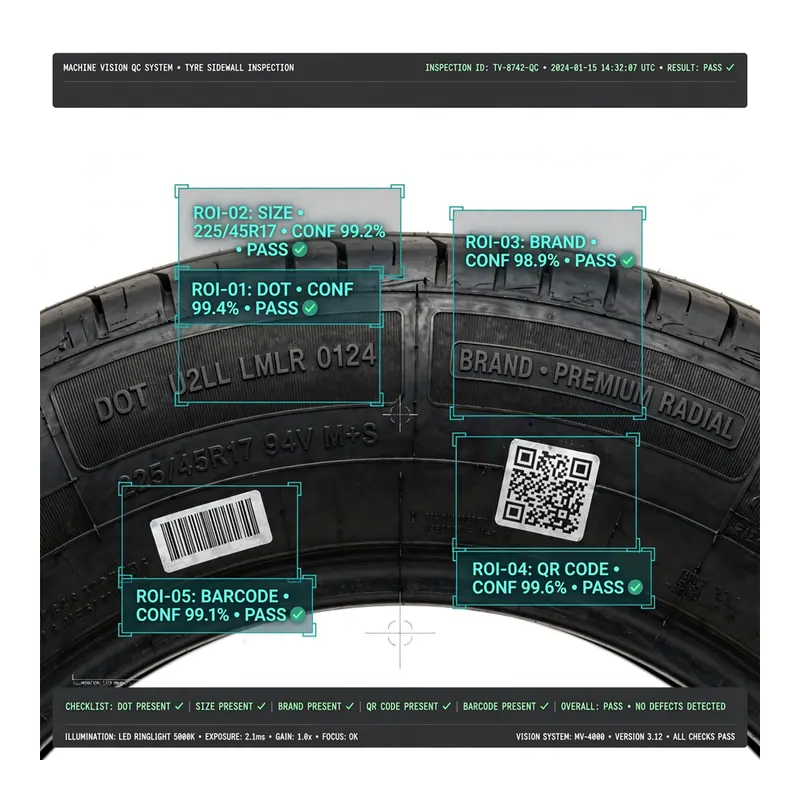
Sidewall Marking Presence & Completeness
Ensure Every Required Marking Is Present.
Beyond reading individual characters and codes, a machine vision system can inspect the tyre sidewall for the presence of required identification elements.
Predefined inspection regions can be used to check whether critical markings are available in the expected areas. This helps identify missing or incomplete information before the tyre proceeds to the next production stage.
Presence inspection can cover:
- DOT markings
- Tyre size information
- Brand and model markings
- Barcodes
- QR codes
- Other predefined identification markings
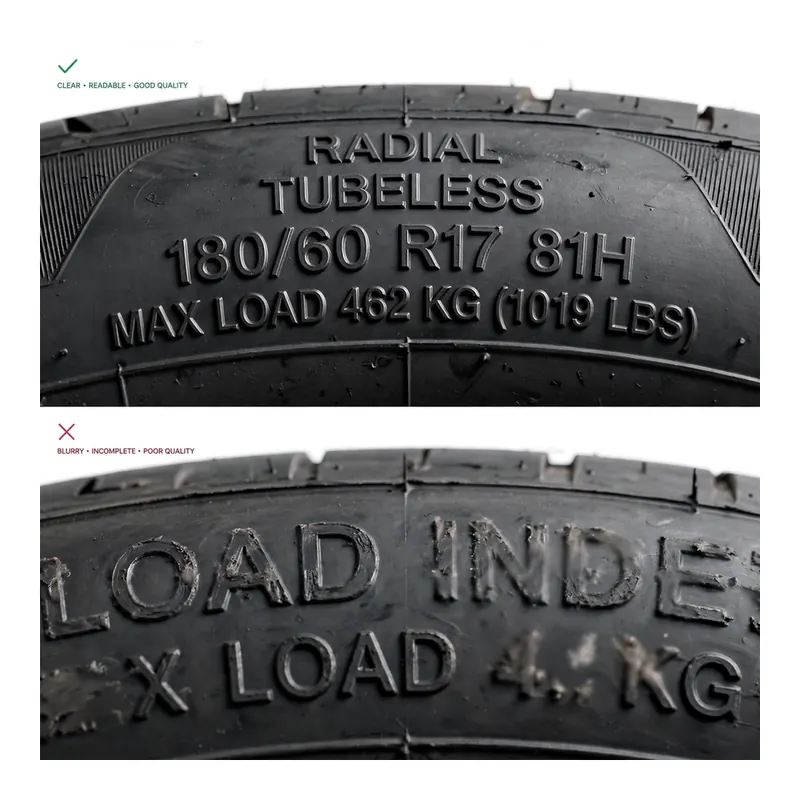
Marking Quality & Readability Inspection
Inspect Marking Quality Beyond Presence.
A marking may be present but still be difficult to read or verify. Tyre sidewall vision inspection can therefore be configured to evaluate the visibility and readability of important markings.
The system can identify visual conditions such as incomplete characters, unclear markings or insufficiently readable information based on the defined inspection criteria.
This allows manufacturers to go beyond simple presence detection and perform automated visual verification of critical sidewall information.
Need a Tyre Sidewall Inspection Solution?
Not sure which camera, vision system or inspection approach is suitable for your tyre sidewall application?
Share your tyre marking, inspection and production requirements with our team to explore a suitable machine vision inspection approach.
What Does a Tyre Sidewall Inspection System Check?
A typical automated tyre sidewall inspection system follows a structured vision-inspection process:
1.
Image Acquisition
2.
Sidewall Marking Detection
3.
OCR / OCV Processing
4.
Barcode / QR Reading
5.
Inspection & Verification
6.
Pass / Fail Decision
Why Use Machine Vision for Tyre Sidewall Inspection?
Manual inspection of multiple sidewall markings can become difficult when manufacturers need to inspect different characters, codes and identification elements across production lines.
A machine vision approach allows predefined inspection criteria to be applied automatically to captured images. Multiple inspection functions, such as OCR/OCV, code reading and marking verification, can be combined according to the application’s requirements.
Key benefits include:
Automated inspection of critical sidewall markings
OCR/OCV-based character verification
Barcode and QR code reading
Detection of missing or incorrect markings
Automated pass/fail decisions
Support for product identification and traceability
Consistent inspection criteria across production
Integration with automated production processes
Key Applications of Tyre Sidewall Inspection
Tyre Sidewall Inspection can be used across tyre manufacturing and quality-control applications where sidewall identification and marking verification are required.
Typical applications include:
- DOT code verification
- Tyre size verification
- Brand and model marking inspection
- OCR and OCV inspection
- Barcode and QR code reading
- Sidewall marking presence detection
- Character readability inspection
- Product identification
- Automated pass/fail inspection
- Production traceability
Tyre Sidewall Inspection for Automated Quality Control
A properly configured tyre sidewall inspection system can combine character inspection, code reading and visual verification in a single machine vision application.
From OCR/OCV and DOT code inspection to tyre size, brand/model and Barcode/QR verification, the inspection process can be configured around the specific markings and identification requirements of the tyre manufacturing application.
Orchid Technology can help manufacturers evaluate their inspection requirements and identify a suitable machine vision approach based on the application, marking type, inspection area and production environment. Orchid Technology can also support the inspection setup with industrial lighting solutions selected according to the camera, surface and inspection requirement.
Frequently asked questions
What is a tyre surface inspection system?
How does automated tyre surface inspection work?
What defects can a tyre surface inspection system detect?
Why use automated tyre surface inspection?
Is tyre surface inspection based on machine vision?
Can tyre surface inspection be integrated with machine controls?
Yes. Depending on the application, inspection results can be connected with the relevant machine-control or automation system.